Brisbane
Times
June 20, 2007
By David Hancocks
Original Article
First, a confession: I don't like
zoos. For more than 30 years I've been directing
and planning them; thinking, researching and
writing about them; pleading for them to try
to meet their potential. It has often been like
pushing water up a rope.
Nonetheless, I believe we need zoos. Just not
the typical zoos we have today. As modern life
is increasingly separated from contact with the
natural world, our need for good zoos becomes
more urgent. We need zoos that can create a greater
sense of compassion in the community, a stronger
commitment to care, a fuller understanding of
our place in nature.
A handful of the world's zoos are committed
to these goals. Most, however, lack intellectual
or scientific leadership, have no useful philosophy,
refuse fundamental change and focus principally
on attendance figures.
What is most needed are better attitudes. The
first and most important would be to put the
needs of the animals above all others, using
nature as the yardstick to assess their quality
of life, rather than just zoo standards, which
have never been enough.
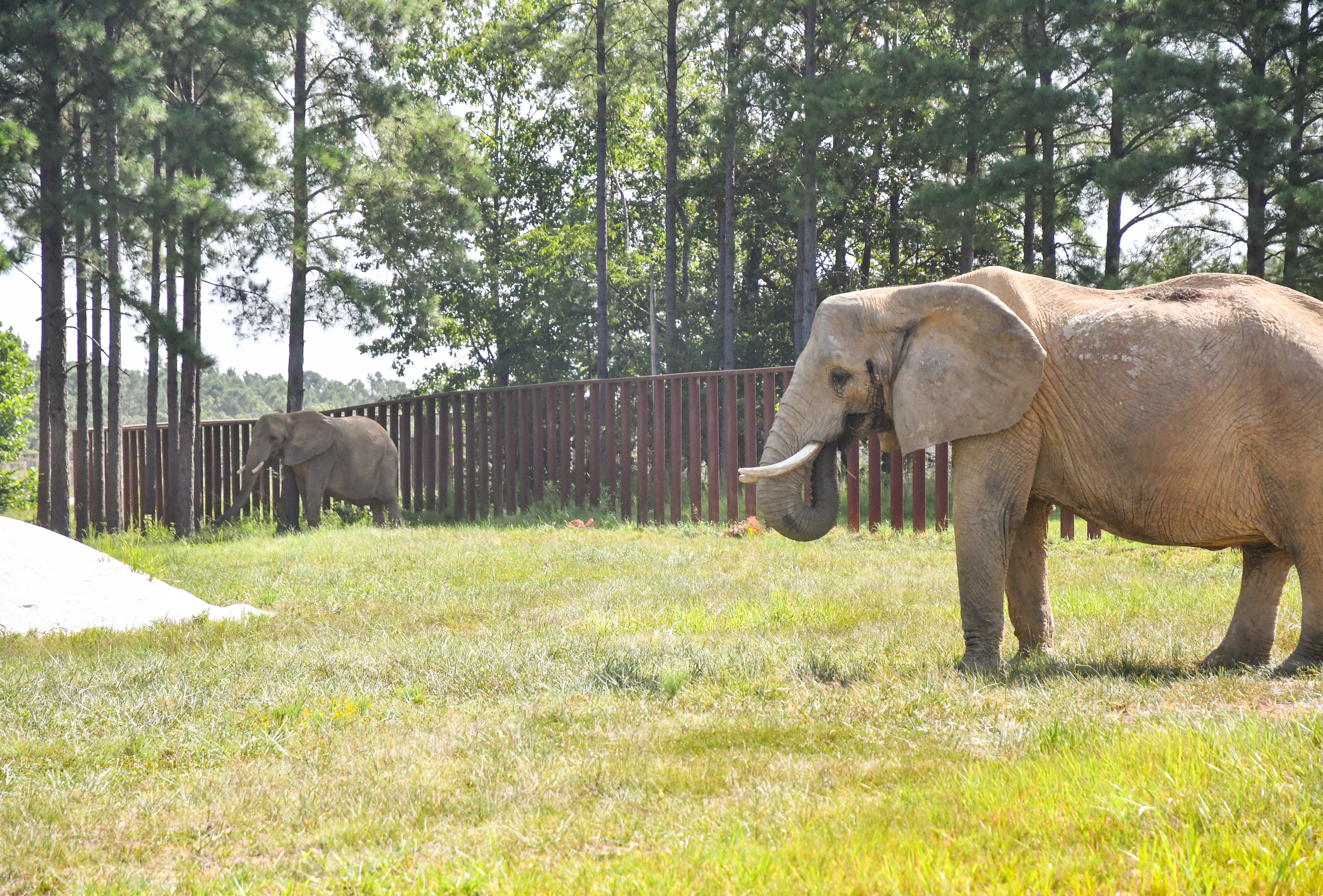
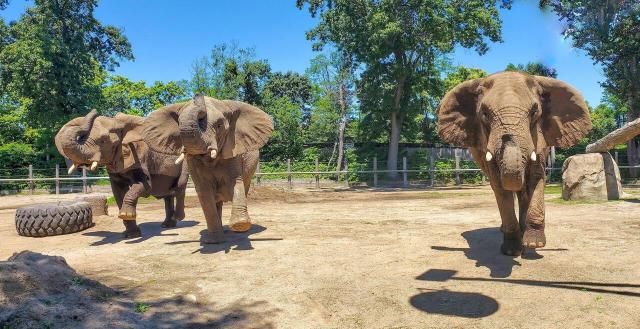
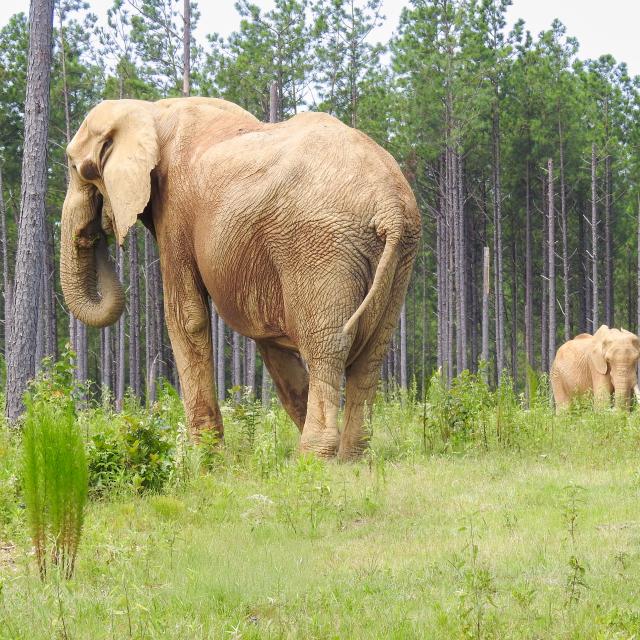
For example, as greater knowledge emerges about
wild elephants and their extraordinary social,
psychological, behavioural and emotional complexity,
more wildlife scientists are declaring that urban
zoos cannot provide satisfactory conditions for
these beings. Several progressive US zoos have
agreed and have closed or are phasing out their
elephant exhibits. But most zoos have responded
defensively, saying the scientists understand
only wild elephants, not zoo elephants, as if
they were different species.
Many zoos hold regressive views. When Guy Cooper
was hired as chief executive of Taronga Zoo in
1998, one of his first declarations was to reintroduce
elephant rides, an ambition that mirrors perfectly
the 19th-century zoo construct.
In the mid-1970s, in Seattle, I worked with
a team designing the world's first zoo plan that
put animals in spaces that looked and felt like
natural habitats. Our goal was to give maximum
opportunity for animals to engage in natural
behaviours in large and complex natural landscapes.
I thought zoos would love this innovation.
With rare exception they hated it. After many
years some began to copy the superficial look
of the idea. Today, zoos boast about their green
revolution. The new zoos, sans cages, make visitors
feel better, but it is all deception. The animals
typically have no contact with living plants,
separated from them by electric wires. Many "natural" features
are made of disguised, unyielding concrete. The
restricted dusty spaces the animals inhabit are
often of no better quality than the old cages.
Good zoos promote animal needs; in mediocre zoos
they are the first to be compromised.
The simplistic aim of too many zoos is to attract
hordes of visitors, to whom they offer non-organic,
non-free-range food items, and entertain them
by revealing little more than the size, shape,
and colour of the animals.
Zoos often claim, however, to be conservation
centres. But "conservation" for most
zoos just means "breeding", which is
merely basic zoo business: zoos must breed their
animals to preserve their collections. Hardly
any animals born in zoos are introduced to the
wild.
They nonetheless loudly position themselves
as leaders in wildlife conservation. In truth,
government and non-government agencies are most
successful in restoring habitat and reintroducing
wild species. Zoos play an occasional minor role
- and want all the glory.
Interestingly, if zoos saw animal welfare as
their central goal, they might become more effective
conservation leaders. The exhibits, interpretation
strategies, education programs, husbandry and
collection would all be quite different in a
zoo focused upon welfare.
Taronga and Melbourne zoos, for example, recently
imported elephants from Thailand (at incredible
expense) for "conservation" reasons.
A zoo devoted to welfare would not do this. Indeed,
it would not contain elephants at all. Certainly,
Taronga's $50 million elephant exhibit would
not be confining five elephants in a mere quarter
of a hectare if animal wellbeing was its central
concern.
With new attitudes and intelligent philosophies,
zoos could make wonderful contributions to society.
They could help lead visitors to a greater awareness
and comprehension of nature, revealing complex
interdependencies, and showing why a healthy
relationship with the natural world is our best
guide for a more complete and satisfying journey
through life.
Perhaps with such changes, zoos truly could
enliven the minds, enrich the hearts and feed
the souls of those millions who visit them each
year, hungry for a clearer understanding and
better connection with that other world of nature.
David Hancocks is an architect and former director
of Woodland Park Zoo, Seattle (1975-84), the
Arizona-Sonora Desert Museum, Tucson, (1989-97),
and Werribee Open Range Zoo, Victoria (1998-2003).
His most recent book is A Different Nature: the
Paradoxical World of Zoos.
|