BBC
News, Calcutta
October 23, 2007
By Subir Bhaumik
Original
Article
Six elephants have
been electrocuted in the north-eastern Indian
state of Meghalaya, officials say
The
north-east of India contains
large numbers of
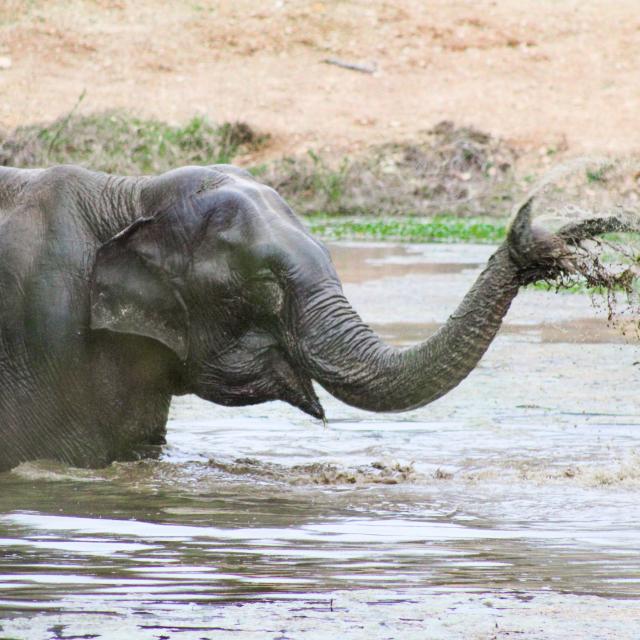
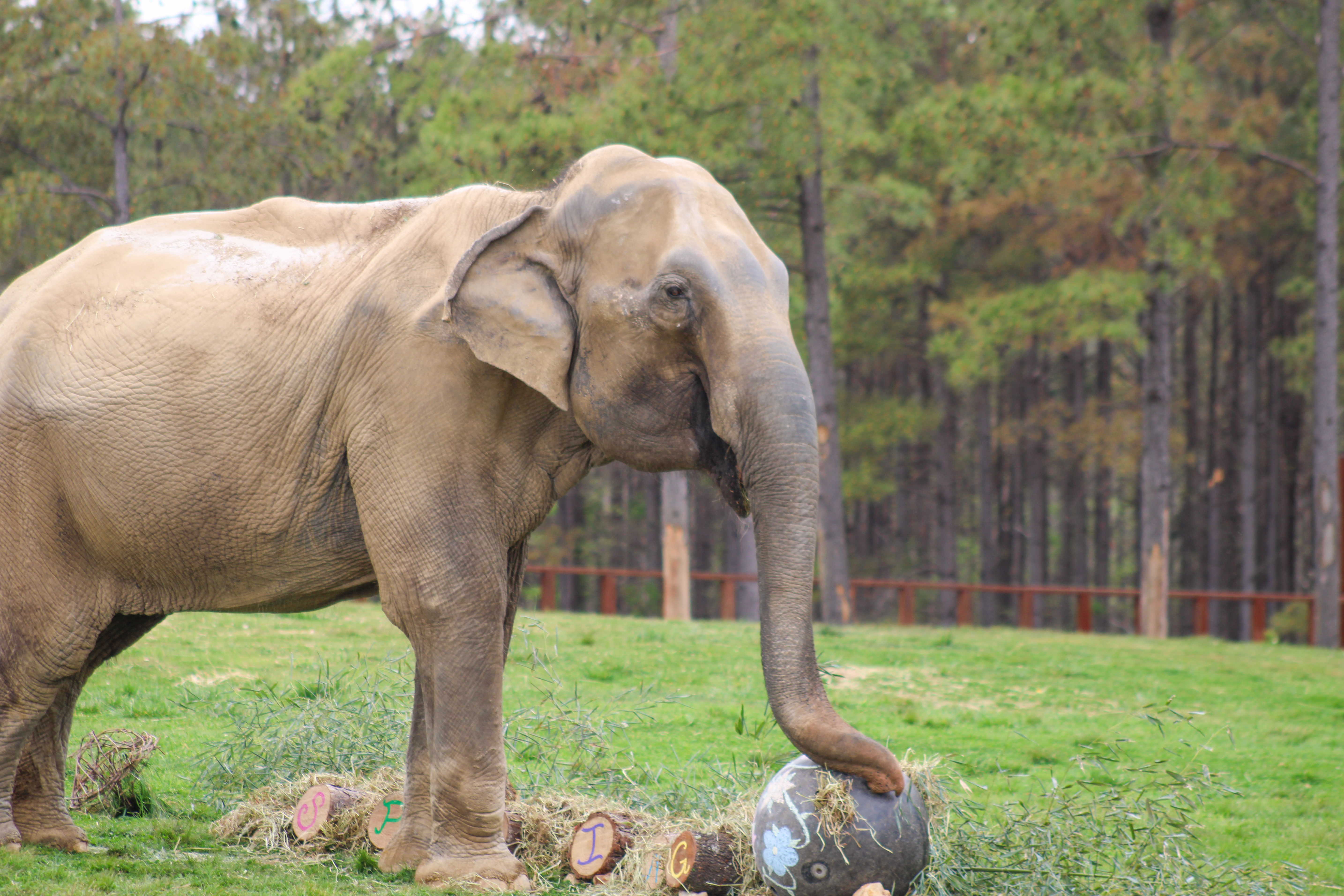
Asian elephants
It has emerged that that the animals
died last week when they became entangled in
loose wires.
The Meghalaya wildlife department said that
the elephants may have been looking for food,
before stampeding into a line of pylons.
Such incidents are becoming more commonplace
as humans encroach on land traditionally occupied
by elephants.
"They got entangled in the live wires that
ran loose as the posts were uprooted," wildlife
department spokesman Sunil Kumar said.
"Six elephants died on the spot, but thankfully
the villagers chased away the rest," he
said.
Four wild elephants died in similar circumstances
in the region near the border with Bangladesh
three years ago.
Dead elephant being removed from a train line
in Assam
More and more elephants are being killed
in the
north-east
(Photo: Subhamoy Bhattacharjee)
Last week, five rare Asiatic lions were reported
to have been electrocuted near Gir National Park
in the western state of Gujarat.
The authorities said the lions were killed by
an electrified fence that a villager had put
up illegally to protect crops near the sanctuary.
India's north-eastern states of Assam and Meghalaya
account for the world's largest concentration
of wild Asiatic elephants, with nearly 7,000
of them at large.
Poisoned to death
Apart from electrocution, scores of elephants
have been poisoned to death in Assam by angry
villagers or killed by other means.
Hundreds of villagers have also been trampled
to death by the elephants.
North-east India falls in the great elephant
corridor that stretches from northern Thailand
to the foothills of Bhutan - a corridor used
by hordes of Asian elephants to move back and
forth in search of food.
Human encroachment in this corridor, particularly
in Assam, has led to intense man-animal conflicts. |